
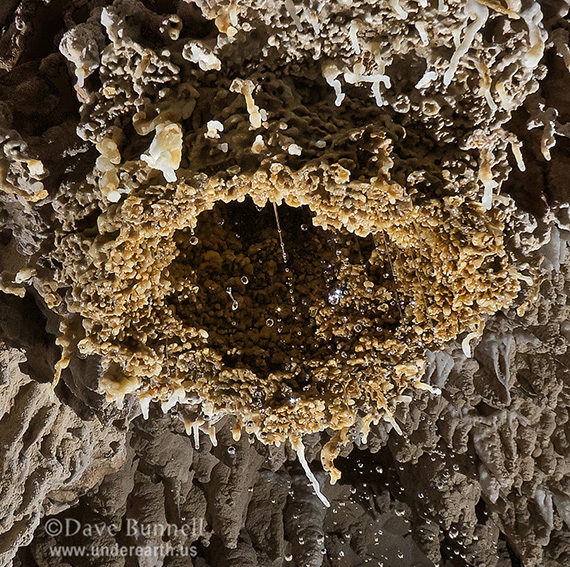
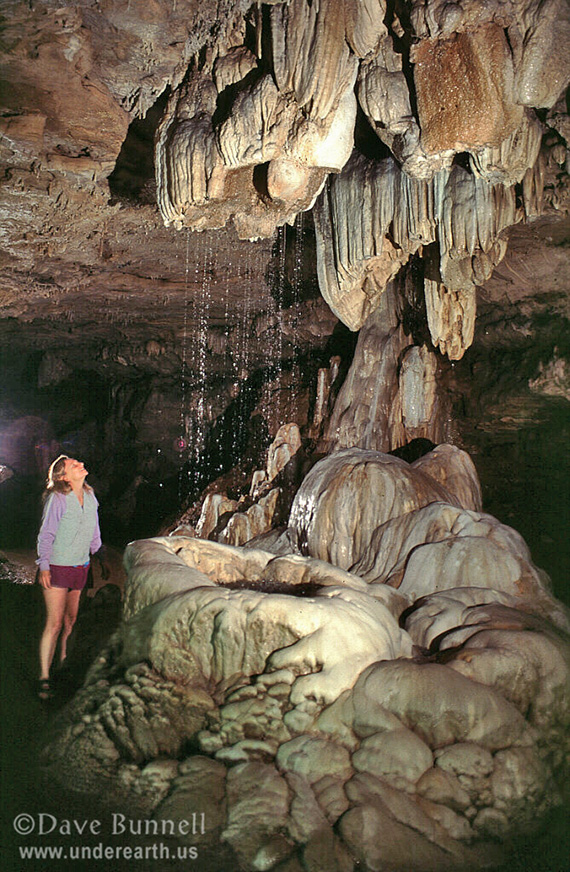
Cave showerheads are a rare type of stalactite generally found in tropical caves, with a couple examples known from temperate climates. They've been noted in Brazil, Puerto Rico, the Phillippines, and especially from Borneo. They sprout from the ceiling at a seep site. The tropics likely favors their formation due to high influx of water and its seasonality. In the wet season the water probably serves to enlarge the feeding tube while low flow in dry seasons likely encourages more deposition. This occurs furthest from the seep, where carbon dioxide partial pressure and humidity are at their lowest. Cave showerheads should not be confused with simple seeps that often occur in conjunction with flowstone or drapery deposits and which may issue high volumes of water following heavy rains. The top photos shows a classic showerhead from the Philippines in dry-season flow and below it we see a close-in view (Photo 2). Interestingly this one is surrounded by spathites, as is the one below it (Photo 3) from a cave in Puerto Rico. Perhaps the presence of aragonite is a factor in the formation of both these phenomena. Photo 8 is also from Borneo. UK photographer Robbie Shone shot this striking showerhead in Gunung Mulu National Park. I was keen to include this and happy Robbie gave his blessing to our use of it here in the Virtual Cave. Photo 9 was contributed by German caver Liviu Valenas and shows a strking red-throated showerhead in a cave in Laos. The bottom photo (9) shows another asymmetrically formed showerhead with a bathtub beneath it in a cave in Missouri, and the only occurence I know of in the United States and also that is not in a tropical climate. It might owe its formation to my observed tree root origin. |

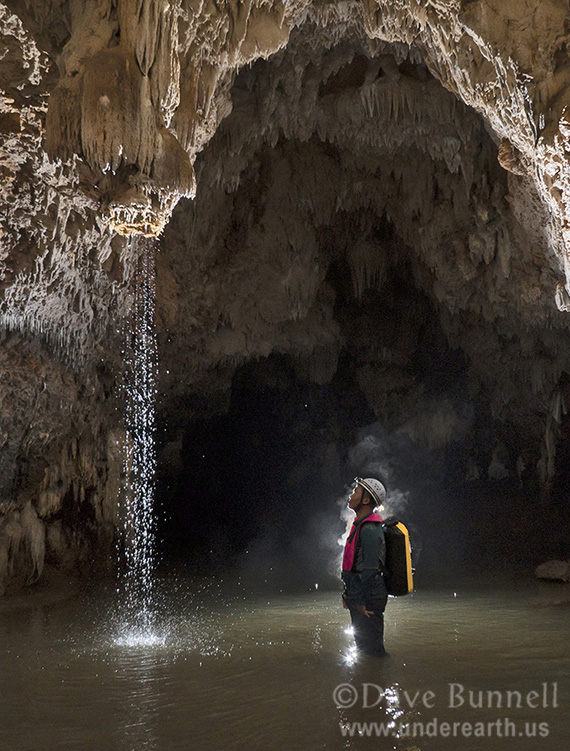
Photos 1 above and 2 below
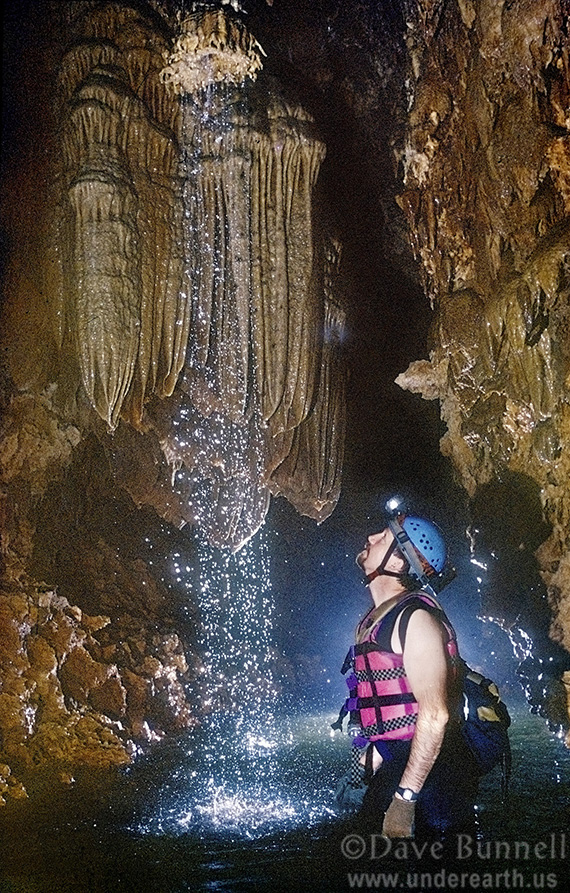
Photos 3 above and 4 below
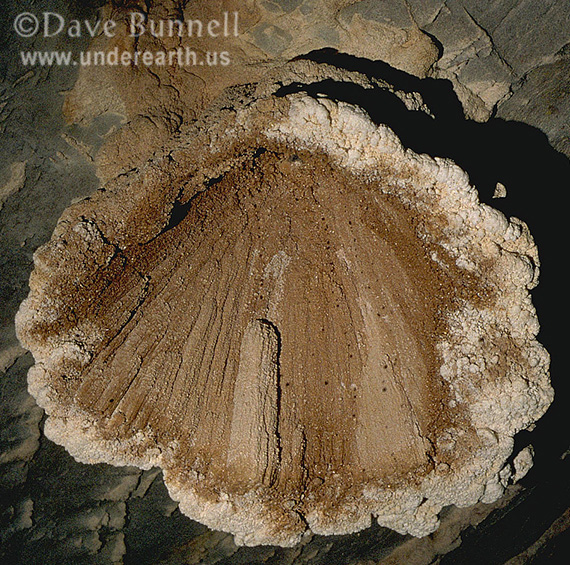
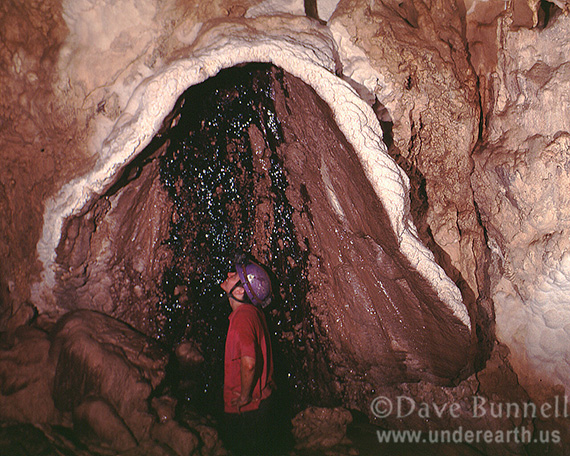
Photos 5 above and 6 below
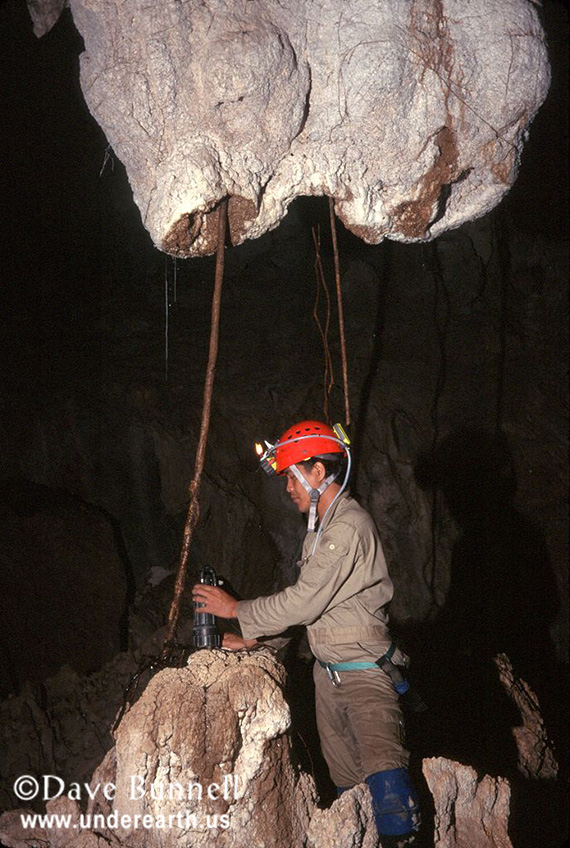
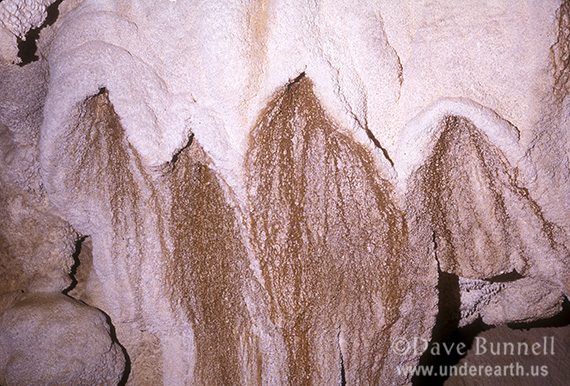
Photos 7 above and 8 below
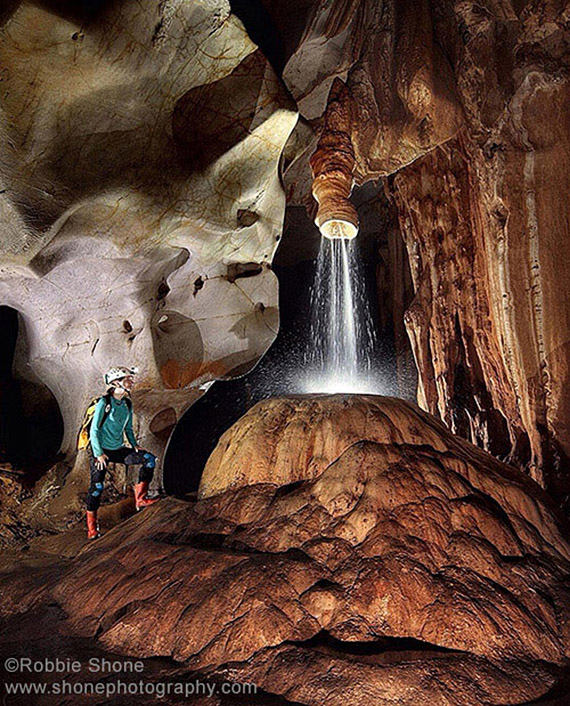
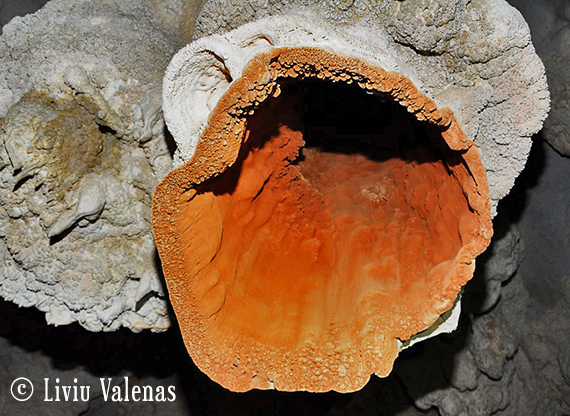
Photos 9 above and 10 below
| Back to: | |
 |
Created: November 19, 1995 Author: Dave Bunnell
|